Endodontics is a branch of dentistry focused on treating diseases of the dental pulp and root structures. It aims to save natural teeth, remove infection, and restore normal function using precise techniques.
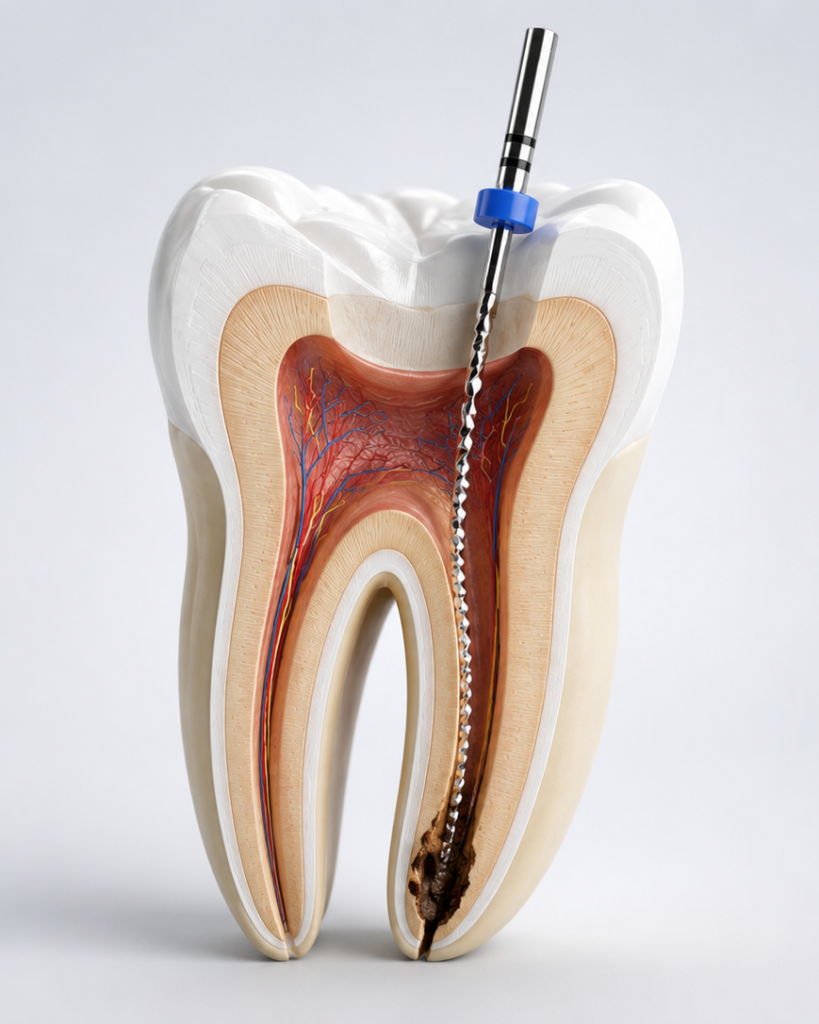
Root canal treatment removes infected or damaged pulp from inside the tooth. The canals are cleaned, disinfected, and sealed to help address discomfort, control infection, and preserve the natural tooth structure for long-term oral health.
Endodontic retreatment is performed when a previous root canal has failed or infection returns. The tooth is reopened, old filling material is removed, canals are thoroughly cleaned again, disinfected, and resealed to support proper function.
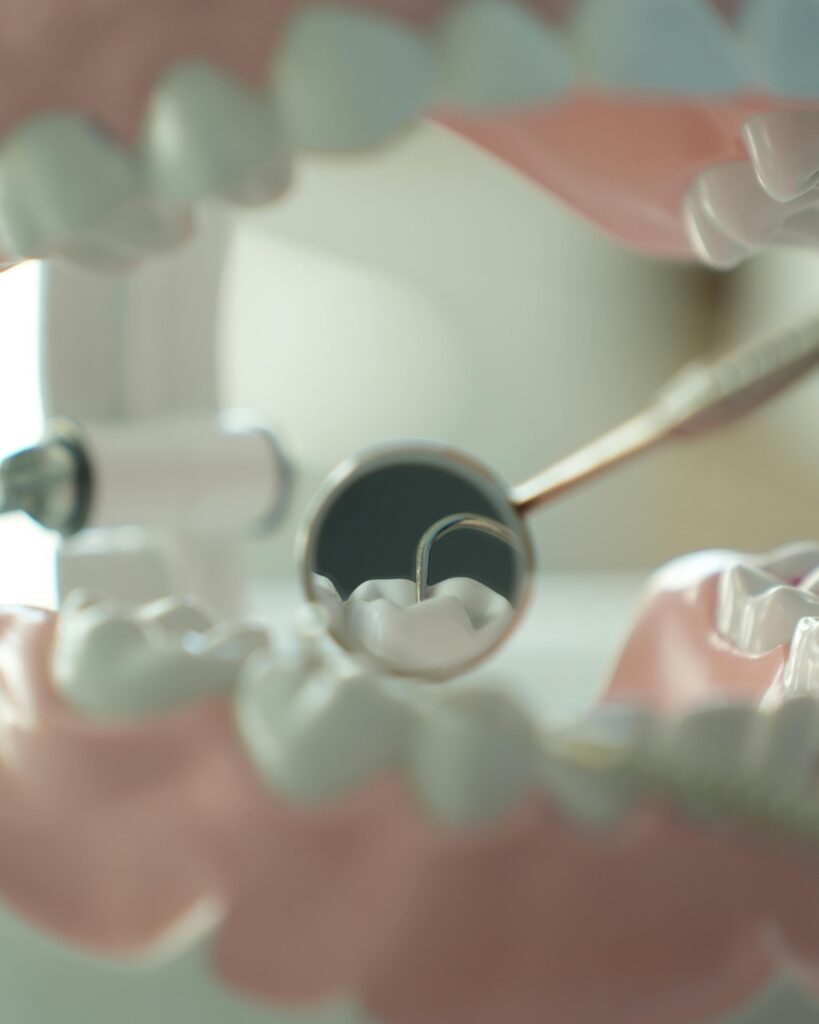
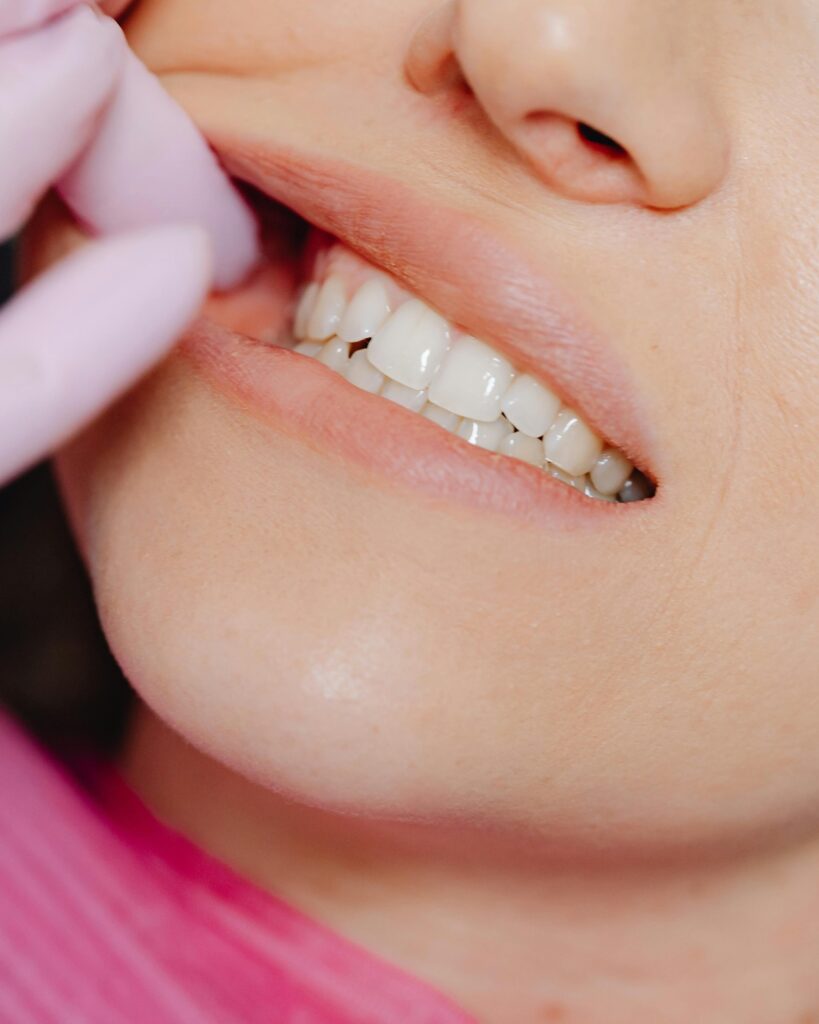
Surgical endodontics is used when conventional root canal treatment is not enough. The infected root tip is surgically removed, surrounding tissue is cleaned, and the end of the root is sealed to address persistent infection and help preserve the tooth.
Treatment time can vary depending on the case and the complexity of the tooth being treated. Some procedures may be completed in one visit, while others require additional appointments.
Endodontic procedures are typically performed under local anesthesia. Patients may experience pressure or mild discomfort during or after treatment.
Temporary sensitivity can sometimes occur following treatment and usually reduces over time as the area heals.
The process generally involves examination and imaging, followed by treatment planning and procedure carried out by a dental professional.
Notice : This information is for general informational purposes only and does not constitute medical advice. All treatments and clinical decisions are carried out by qualified dentists in partner clinics.